How Packaging Design Impacts Consumer Buying Decisions
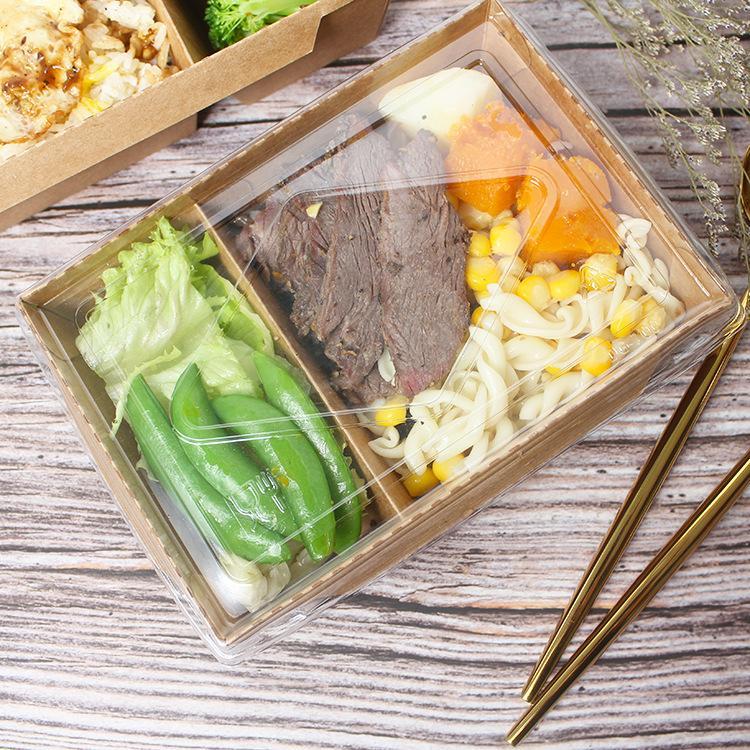
You’ve probably noticed how certain products practically jump off the shelf thanks to their packaging. It’s not just a pretty exterior; it conveys critical messages about quality, brand identity, and even functionality. You might wonder how much influence this visual appeal has on your own decisions. Have you ever chosen one brand over another simply because of its packaging? Understanding the layers behind these choices can reveal surprising insights about your preferences, and there’s more to explore regarding how businesses harness this psychological power.
The Psychology of Packaging
When you walk down a supermarket aisle, the packaging of products often catches your eye before anything else. This initial visual impact can create a lasting impression that heavily influences your purchasing decisions.
You’ll notice that a well-designed package not only stands out but also communicates essential information about the product, such as its quality, value, and purpose.
Colors, shape, and material all play crucial roles in how you perceive a product. For instance, sleek, modern packaging might instill feelings of innovation or sophistication, while rustic designs could evoke nostalgia or warmth.
Additionally, engaging packaging can spark your curiosity, prompting you to reach for an item you mightn’t have considered otherwise.
Moreover, packaging elements like graphics and typography can guide your interpretation of the product, subtly suggesting whether it’s a luxury item or an everyday necessity.
You might find that eco-friendly packaging appeals to your values, encouraging you to choose one brand over another.
Ultimately, the psychology behind packaging design isn’t just about aesthetics; it’s about crafting an experience that resonates with you and influences your decisions, often before you even realize it.
Color and Brand Perception
Colors aren’t just eye-catching; they play a significant role in shaping your perception of a brand. When you see a product on a shelf, the color immediately influences your emotions and thoughts about it. For instance, vibrant colors like red and yellow evoke excitement and energy, often drawing you in.
Meanwhile, softer hues like blue and green can create a sense of calm and trustworthiness, which can make a brand feel more reliable.
You mightn’t realize it, but your preferences and cultural background can also affect how you perceive colors. For example, while white often represents purity and simplicity in Western cultures, in some Eastern cultures, it’s associated with mourning. This cultural nuance can impact your buying decisions significantly.
When brands carefully choose their colors, they aim to communicate their core values and connect with you on an emotional level. Imagine picking up a luxurious product wrapped in deep, rich colors; it instantly conveys a sense of exclusivity.
In contrast, a product in bright, playful colors might suggest fun and spontaneity. Recognizing the power of color can empower you to make more informed choices about the brands you trust and purchase from.
Functionality and Usability
Functionality and usability are crucial aspects of packaging design that directly impact your buying decisions. When you pick up a product, you instinctively assess how easy it will be to use. Packaging that’s easy to open, resealable, or features a user-friendly design not only enhances your experience but can also determine whether you choose it over competing items.
Think about how frustrating it can be if a package is difficult to handle or spills easily. You’re less likely to buy a product if you perceive it as inconvenient or messy. On the other hand, well-designed packaging that meets your needs encourages you to make that purchase confidently. For example, food products in resealable bags or sturdy jars often stand out because they’re practical.
Moreover, packaging with clear labels and instructions allows you to understand the product better, making your choices easier. When a brand prioritizes functionality and usability in their packaging, they build trust and loyalty with you.
Ultimately, you’re more inclined to select products that simplify your life and enhance your experience, making functionality and usability key factors in your consumer buying journey.
Sustainability Trends in Packaging
Sustainable บรรจุภัณฑ์ has become a priority for many brands, reflecting consumers’ growing demand for eco-friendly options. You’re likely noticing that companies are shifting toward materials that minimize environmental impact. This trend is driven by your preferences for biodegradable, recyclable, or compostable packaging. When you see brands embracing these materials, it tells you they care about the planet, influencing your purchasing decisions.
Innovations like plant-based plastics and reusable packaging are leading the way. You might even appreciate brands that encourage you to return packaging for reuse, strengthening your connection to their sustainability mission. This effort not only appeals to your values but also enhances the overall brand image, making it more memorable.
Moreover, transparency in sourcing and production can boost your trust. When brands share their sustainability journey, it resonates with you, encouraging loyalty. Companies that commit to reducing carbon footprints, using minimalistic design, or engaging in responsible sourcing stand out in your mind.
As a consumer, your choices impact the market. By supporting brands that prioritize sustainable packaging, you’re not just making a purchase; you’re participating in a larger movement toward a more sustainable future.
Case Studies of Successful Designs
Several brands have successfully transformed their packaging design into a key factor in consumer appeal. Take Coca-Cola, for example. The brand’s iconic red and white cans not only stand out on shelves but also evoke a sense of nostalgia.
By utilizing eye-catching colors and innovative shapes, they’ve created an unmistakable identity that resonates with customers.
Another great case is Apple. Their minimalist packaging aligns perfectly with their product aesthetics, enhancing the unboxing experience.
This thoughtful design approach creates excitement and builds anticipation, encouraging you to share the experience on social media.
Then there’s Method, a company that emphasizes eco-friendly packaging. Their use of bold colors and transparent materials communicates transparency and sustainability, appealing to environmentally conscious buyers.
Lastly, consider Pringles, whose unique cylindrical packaging not only keeps chips fresh but also simplifies grabbing a snack on the go.
This windfall of functionality and fun instantly grabs attention.
These examples reinforce how effective packaging design can enhance brand identity, elevate customer experience, and ultimately influence your buying decisions.
When you see a well-designed package, you’re likely to be more intrigued and willing to purchase.
Conclusion
In conclusion, packaging design isn’t just about aesthetics; it profoundly impacts your buying decisions. The right colors and shapes grab your attention and shape your perception of the product’s quality. When packaging is functional and user-friendly, it builds trust and encourages you to choose a brand again. Plus, with sustainability being a growing trend, eco-friendly options resonate with your values. So next time you shop, remember how packaging sways your choices and influences your experience.