
Handling Water Leaks and Burst Pipes Before It’s Too Late
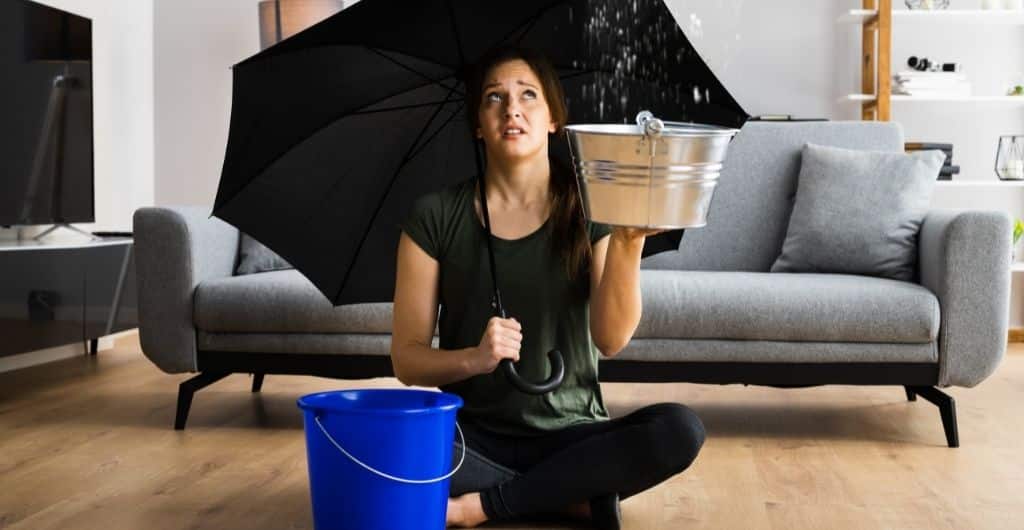
You’re probably not thinking about water leaks and burst pipes until it’s too late, but it’s essential to stay vigilant. The truth is, these unexpected events can cause significant damage to your home, possessions, and even your well-being. You might be wondering what signs to look out for and how to respond quickly to minimize the impact. The clock starts ticking the moment you notice something’s off – will you be prepared to take control of the situation and mitigate the damage?
Recognizing the Warning Signs
As you go about your daily routine, water leaks can quietly creep up on you, causing significant damage before you even notice them.
It’s essential to stay vigilant and recognize the warning signs to avoid costly repairs and potential health hazards.
You may notice water spots or discoloration on your ceiling or walls, which could indicate a leak in your pipes or roof.
Musty odors or unexplained sounds of running water are also red flags.
Keep an eye on your water and restoration meter, as an unexpected increase in usage can signal a hidden leak.
Check your appliances, such as dishwashers and washing machines, for signs of moisture or water accumulation.
Even a slight increase in your water bill can be a warning sign of a leak.
Taking Immediate Action Matters
Act fast when you suspect a water leak, because every minute counts in mitigating damage.
Delaying action can lead to catastrophic consequences, including structural damage, mold growth, and electrical hazards.
You must prioritize shutting off the main water supply to prevent further water flow. Locate the shut-off valve, usually near the water meter, and turn it clockwise.
If you’re unsure, consider consulting your home’s plumbing diagram or seeking help from a professional.
Next, turn off the electricity to the affected area to avoid electrical shock. Unplug any appliances or devices nearby to prevent damage from power surges.
Take photos and videos of the damage for insurance purposes, and make a list of affected items.
Don’t attempt to clean or remove items yet, as this can compromise the insurance claim process.
Containing the Damage Quickly
You’ve stopped the water flow and prevented electrical hazards, now it’s time to limit the spread of damage.
Containing the damage quickly is crucial to prevent further destruction and costly repairs. Start by identifying the source of the leak or burst pipe and isolating the affected area.
Move any furniture, rugs, or belongings away from the area to prevent water from seeping into them. If the leak is from an appliance or fixture, turn off its supply line.
Next, remove as much water as possible from the area using towels, buckets, or a wet/dry vacuum. Don’t use a regular vacuum cleaner as it can cause electrical shock.
Open windows and doors to improve ventilation, which helps to speed up the drying process. If you have a dehumidifier, use it to reduce the moisture levels.
Consider calling a professional restoration service if the damage is extensive or you’re not comfortable handling the situation yourself. Remember, every minute counts, so act quickly to minimize the damage.
Fixing the Leak or Pipe
Fixing the leak or pipe is the next critical step in handling a water leak. You’ve contained the damage, now it’s time to identify and fix the source of the problem.
Start by shutting off the main water supply valve to prevent further water flow. Next, locate the leak or burst pipe, taking note of its location and type. If you’re not comfortable with DIY repairs, consider hiring a professional plumber.
For simpler fixes, you can try tightening loose fittings or replacing worn-out washers. For more complex issues, you may need to replace the entire pipe.
Be sure to test the repair by turning the water supply back on and checking for leaks. Remember to also inspect surrounding areas for water damage and take necessary steps to dry them out.
Preventing Future Disasters
Since water leaks can be a recurring problem, it’s essential to take proactive measures to prevent future disasters. You don’t want to find yourself dealing with the same issue multiple times, especially when it can be avoided.
Start by inspecting your pipes regularly, looking for signs of wear and tear, corrosion, or damage. Check for leaks under sinks, around toilets, and behind appliances.
You should also keep an eye on your water bill, as an unexpected spike could indicate a hidden leak. Consider investing in leak detection devices or smart water sensors that can alert you to potential issues before they become major problems.
Additionally, take steps to prevent freezing pipes by insulating exposed pipes in unheated areas, letting cold water drip from faucets, and opening cabinet doors to allow warm air to circulate. By being proactive, you can significantly reduce the risk of future water leaks and burst pipes, saving yourself time, money, and stress in the long run.
Conclusion
You’ve taken the first step by recognizing the warning signs and taking immediate action. Now, it’s time to contain the damage and fix the leak or pipe. By following these steps, you’ve minimized the destruction and set yourself up for a smoother recovery. Remember, prevention is key, so take proactive measures to avoid future disasters. Stay vigilant, and you’ll be well-equipped to handle water leaks and burst pipes before they spiral out of control.