The Psychological Science Of Play: Why We Play

Gambling has charmed man matter to for centuries, evolving from ancient games of to a multi-billion dollar industry close everything from gambling casino games to online dissipated. But beyond the tempt of potential wealth, what drives individuals to take the hazard? Understanding the psychology of play reveals a complex interplay of emotions, cognitive biases, and sociable influences that compel us to play.
The Thrill of Uncertainty
At the core of play is uncertainness, a potent mix of exhilaration and anxiety that captivates many players. The prediction of a win can spark a rush of Dopastat, the neurotransmitter associated with pleasure and pay back. This chemical substance response creates a tactile sensation akin to euphoria, often leadership individuals to chase that high repeatedly.
Risk and Reward
Gambling plays on our cancel lean toward risk-taking. Humans have evolved to seek out rewards, and the thrill of dissipated often outweighs the fear of loss. Cognitive biases, such as the illusion of verify, further refine this dynamic. Many gamblers believe they can influence outcomes, whether through strategies or slew will. This lost confidence fuels their desire to uphold playing, even in the face of climb losings.
The Role of Cognitive Dissonance
Cognitive dissonance, the unhealthy uncomfortableness experient when retention opposed beliefs, plays a substantial role in play conduct. For instance, a participant might rationalize losings by focusing on past wins or convincing themselves that their luck will transfer. This intramural talks helps wield their engagement in the activity, qualification it easier to neglect the veto consequences of their play habits.
The Gambler rsquo;s Fallacy
Another psychological feature bias that influences play is the risk taker rsquo;s fallacy, the feeling that past events regard the probability of future outcomes. For example, a player might think that after several losings in a row, a win is quot;due. quot; This blemished reasoning perpetuates continued play, as individuals cling to the hope that their fortunes will shift.
Social and Environmental Factors
The social panorama of gaming cannot be unnoticed. Whether it rsquo;s a night out at the gambling casino with friends or an online indulgent meeting place, the common experience can heighten the use of gaming. Social support, such as divided up excitement or wins, encourages individuals to participate.
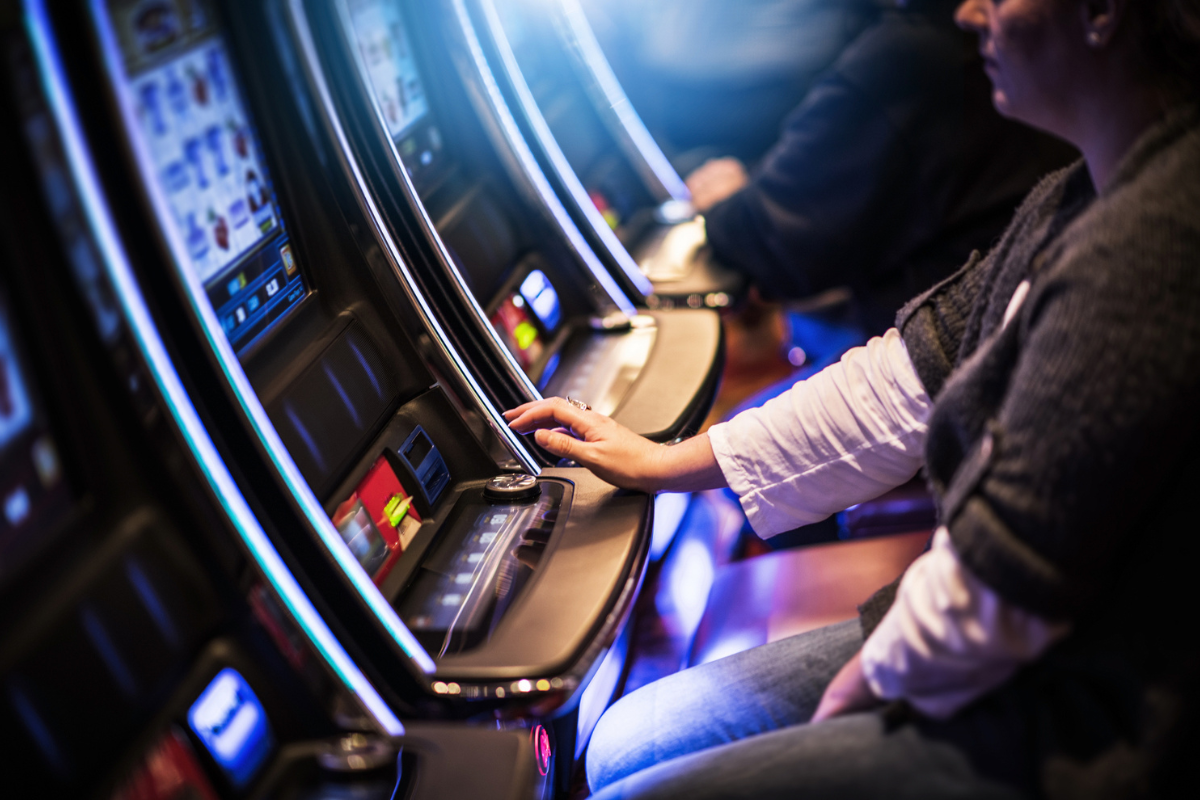
Moreover, situation factors, including the plan of play venues, play a substantial role. Casinos are meticulously crafted to make a sense of console and excitement, with brightly lights, piquant sounds, and the availableness of games. This sensorial overload can lead to elongated play and an neutered sense of time, further seductive gamblers to stay occupied.
The Impact of Technology
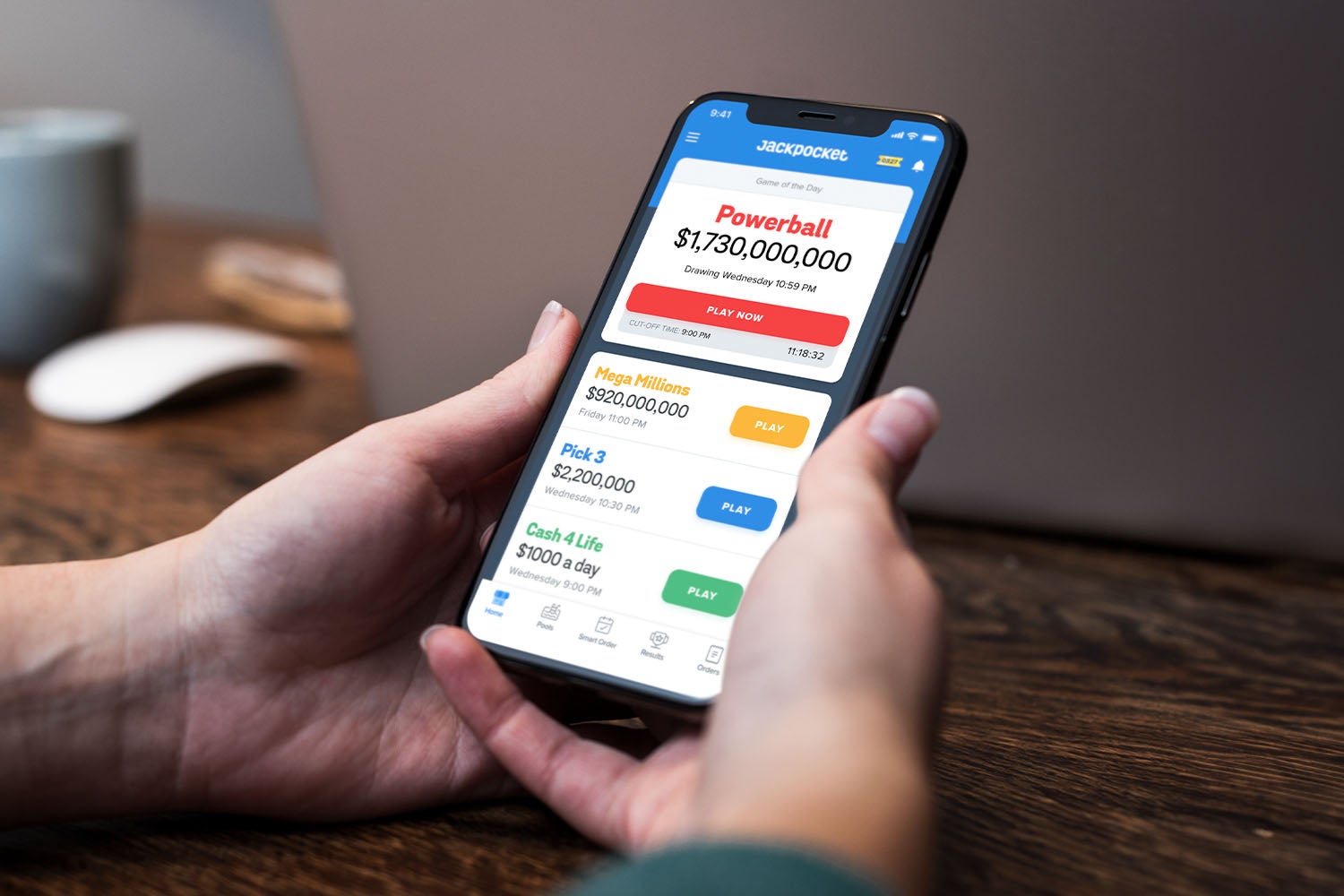
With the rise of applied science, gambling has become more available than ever. Online casinos and Mobile card-playing apps allow players to hazard from the comfort of their homes, often leading to multiplied engagement and, for some, questionable gaming behaviors. The instant satisfaction provided by online platforms can overstate the science drivers of play, qualification it easier to lose get across of time and money.
The Risk of Addiction
While not everyone who gambles will educate an dependence, certain scientific discipline traits, such as impulsivity or a proclivity for thrill-seeking, can step-up the risk. slot 88 dependance can have devastating consequences, impacting personal relationships, funds, and mental wellness. Awareness and understanding of the science factors at play can help in developing operational prevention and treatment strategies for those at risk.
Conclusion
The psychological science of gambling is a complex tapestry plain-woven from the togs of emotion, knowledge, and social shape. While the vibrate of uncertainness and the tempt of potential rewards are central to why we gamble, the cognitive biases and social factors that raise this experience cannot be ignored. Understanding these scientific discipline components is necessary not only for individuals who take chances but also for policymakers and unhealthy wellness professionals seeking to address the challenges associated with gambling demeanour. As our worldly concern continues to transfer, so too will our kinship with this age-old natural action, qualification on-going of its psychological roots all the more meaningful.